
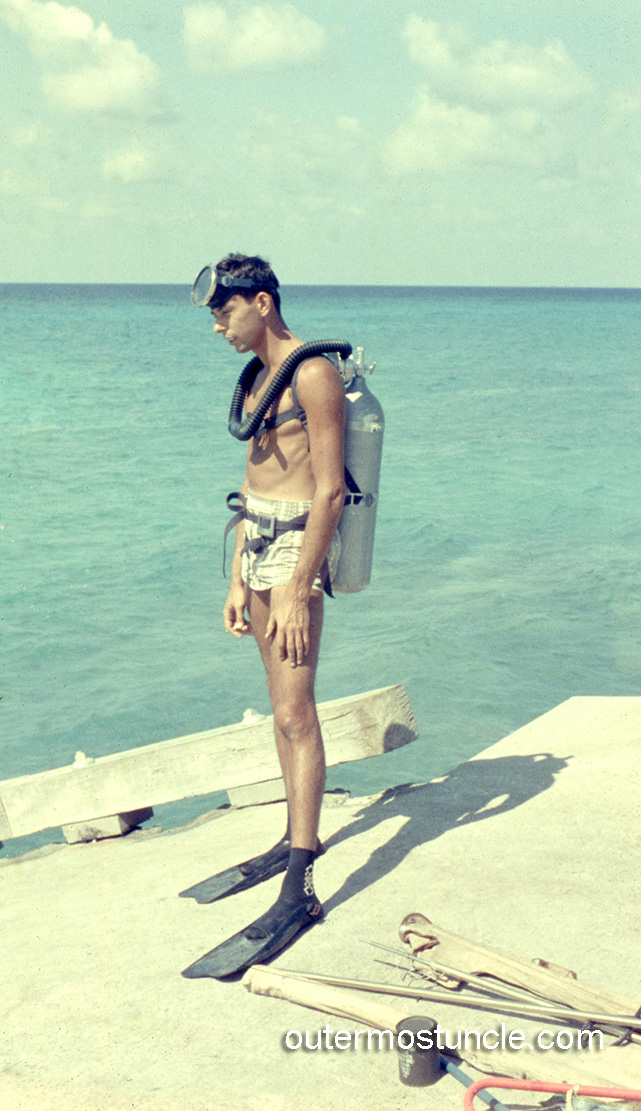
A deep look into the brief, bright life of a vanished diver — and the strange trail of records, relics, a stolen plane and unanswered questions left in his wake.
Potato-eyed – meaning the sensation of having been fixed in front of the computer screen so long your vision fuzzes and sprouts little gnarly proto-tendrils that seem to cling outward toward the glass, tugging lightly at the pale blue glare, a kind of vegetal stupor – and hunched over, when suddenly, some faint electric tickle at the base of my neck, or maybe more an inner stiffening – the body’s own unnoticed awareness preceding consciousness – and I snap upright, vertebrae clicking, blinking, startled: Me? This? This is what I’m doing? What I’ve become? Sitting here combing through 1910 census rolls and 1934 death notices like some dehydrated one-armed-bandit junkie glued to the casino machine long past reason, still clinging to the gambler’s fallacy that the next pull -or scroll of the mouse wheel- will finally pay out? Genealogy nerd, sure, but maybe more a kind of genealogy agronomist, plowing rows of names and dates, soil-testing generations, hoping now and then to hit pay dirt. And today, the payoff is this: Donald Diehl. The man who was my uncle’s dive partner on that fateful day in 1958, the same Donald Diehl who, as it turns out, had little family left, a thin and ragged thread stretching back through time, maybe now thinning to the point of vanishing altogether.
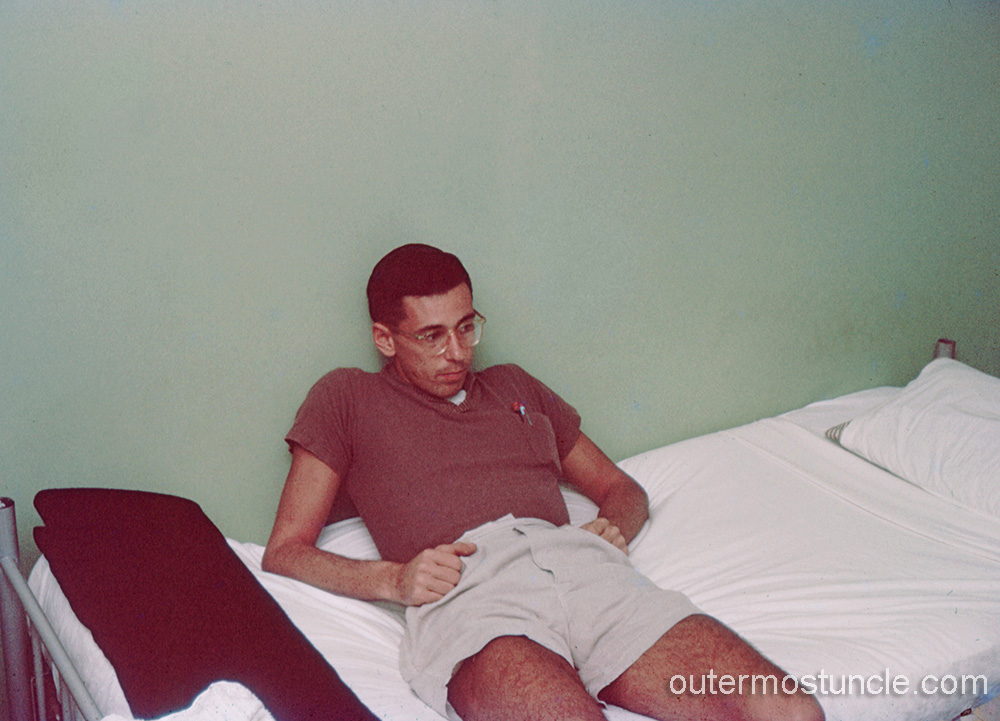
Donald Diehl was born in Camden, New Jersey, in 1935 to Walter Valentine Diehl and Mary Elizabeth Sprow-Diehl — names that already carry a kind of antique weight, Valentine, Sprow, like little coral bells ringing out across the decades. Donald was their second child, but that fact alone carries a shadow: their first, also named Walter, had been born in 1931 and died just 15 months later – meaning Donald was born into a house already shaped by absence, by a grief still settling into the walls. And Walter Sr., Donald’s father, knew about loss firsthand: he himself had lost his father at age five, part of a generational chain of early grief, a pattern that starts to stand out when you follow the little crosses and dates on the family tree.
Walter and Mary were both around thirty when Donald arrived , with Mary slightly older. At the time of Don’s birth, according to the census – that faintly absurd but quietly monumental document, part bureaucratic ledger, part ghost story – Walt Sr. was working for the local “Electric Department” (quotation marks preserved from the census, where the exact title, charmingly vague, suggests either some proud municipal utility or a one-man wiring outfit run out of a shed; hard to know).
By 1939, Donald had a little brother, Douglas – who’d go on, years later, to study theology at the Evangelical Lutheran Theological Seminary.
And so, Don grew up – one imagines – in a house ringed with Christian values, moral instruction, Lutheran rigor, the quiet push of expectation and doctrine, his mother home tending to the kids, his father out working electric things, the two boys shaped by faith and loss and the unseen gravitational pull of a family history already humming, already folding them into its long, thin thread.
Coincidentally – or maybe not?- Camden, New Jersey, isn’t just the birthplace of Donald Diehl; it’s also the birthplace of RCA, the Radio Corporation of America, founded there in 1919, an industrial giant buzzing into life in the very same city, as if technology and family histories were quietly, invisibly braided together.
Sometime around 1945, Walter moved the family south to Dade City, Florida, where, according to the census, he worked as a sheet metal installer – a hard, physical job, the kind you can almost picture in the humid Florida heat, skin tanned and arms burned from long days under tin and steel. Eventually, Walter landed a steadier position with the U.S. Postal Service, where he’d stay for the next 25 years, the kind of long, stable federal employment that anchored countless midcentury American families, laying down a quiet foundation of bills-paid, house-secured, children-raised.
Donald – or “Don,” as the records and surviving mentions usually call him – spent the rest of his childhood in North Miami, Florida. Like my uncle (and here the symmetry feels almost too neat), Don loved model airplanes, the kind of delicate, consuming hobby that invites young boys into a whole small world of craft and precision, a pocket-universe of balsa wood and glue and rubber-band engines. He went to Miami Edison High School, graduating in 1953. He played in the band for three years. Beyond that, like my uncle, he doesn’t seem to have been much involved in clubs or sports or extracurricular life, his yearbook presence faint, almost peripheral, the kind of teenager you might easily overlook at the time, only to later realize you wish you’d paid closer attention to.
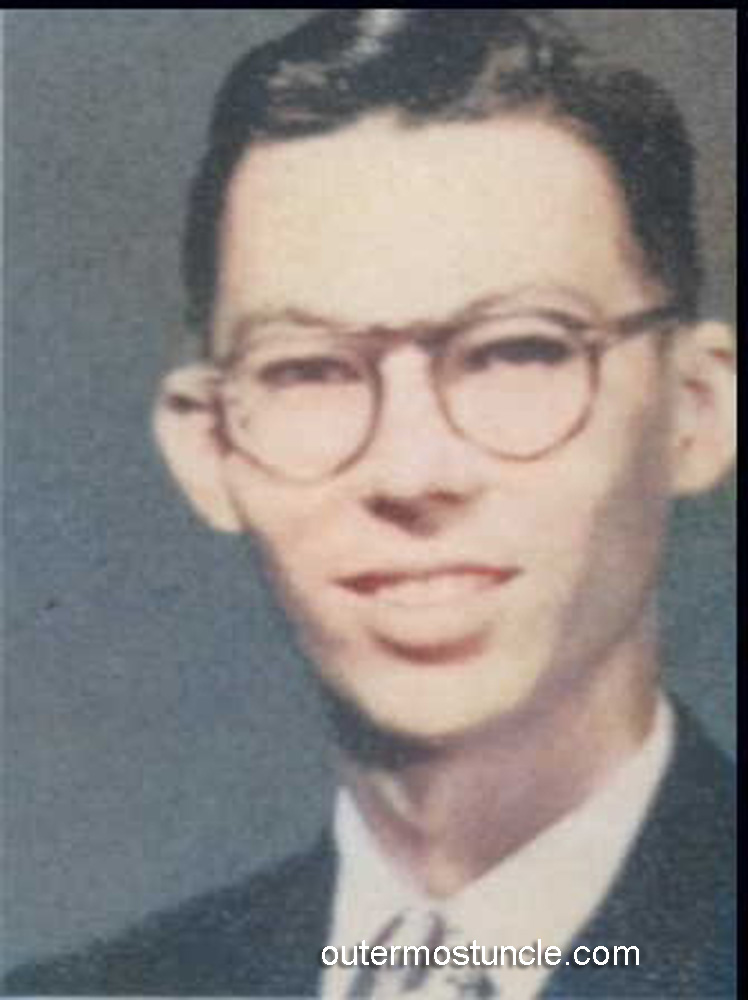
Don, it turned out, was a tough cookie to crack – and I don’t mean that in some cutesy colloquial sense, I mean it literally felt like trying to pry open a case that had long since sealed itself shut, time and silence hardening over him like a varnish, especially since by the time I began my search, there weren’t many relatives still around, at least none I could easily find. And then I found Sharon, the daughter of Don’s cousin.
Sharon, when I finally reached her, told me that her mom used to refer to Don as “Cousin Donny,” her favorite cousin. This, I have to admit, made my chest go tight in that sharp, surprising way, the way an old photo or half-forgotten letter can sometimes land harder than you expect. Suddenly this figure I’d been treating like a set of puzzle pieces or obscure genealogical clues became briefly, flickeringly real, a known person in someone’s memory, not just a name pressed between dates.
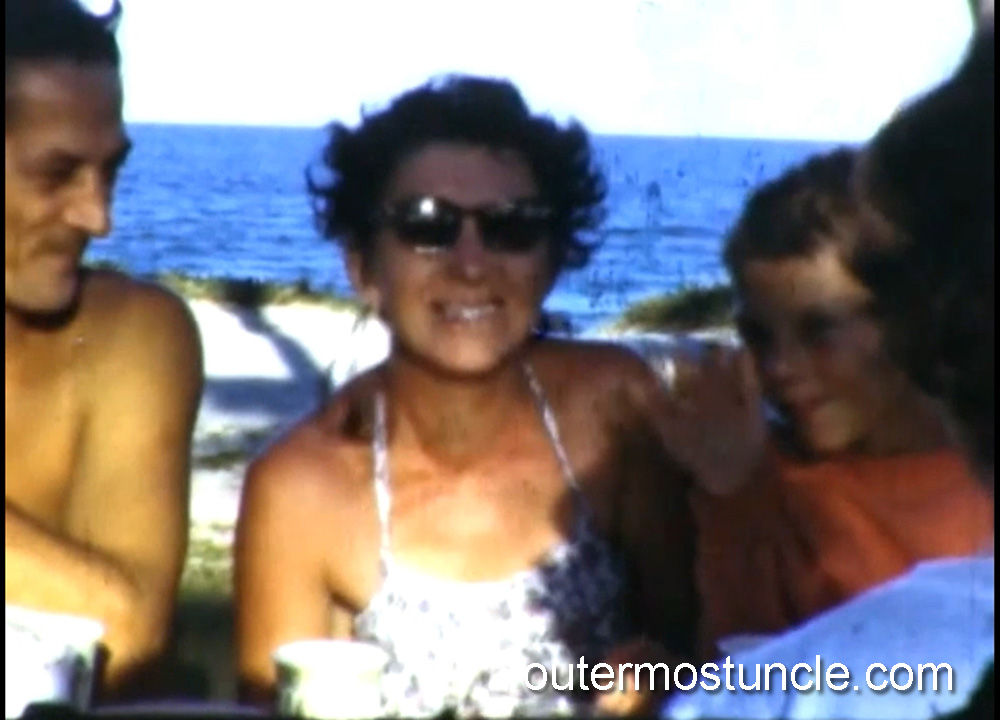
Sharon’s grandfather, it turned out, had been an avid home-movie buff. I imagined some lost trove of jittery Super 8 reels, the clatter of the old projector, all those half-faded family moments captured in grainy flicker. And sure enough, Sharon shared some incredible clips from their family archive – little flashes of life that, after all my dry record-scrolling and name-hunting, felt like stumbling into something living, something still thriving faintly just under the surface.
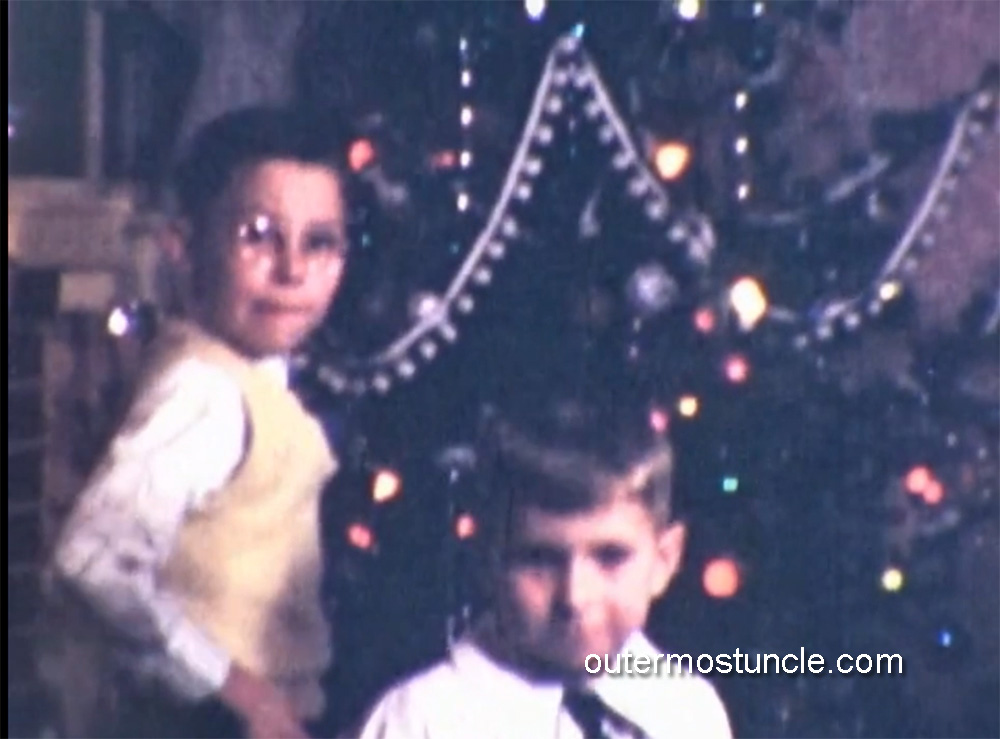
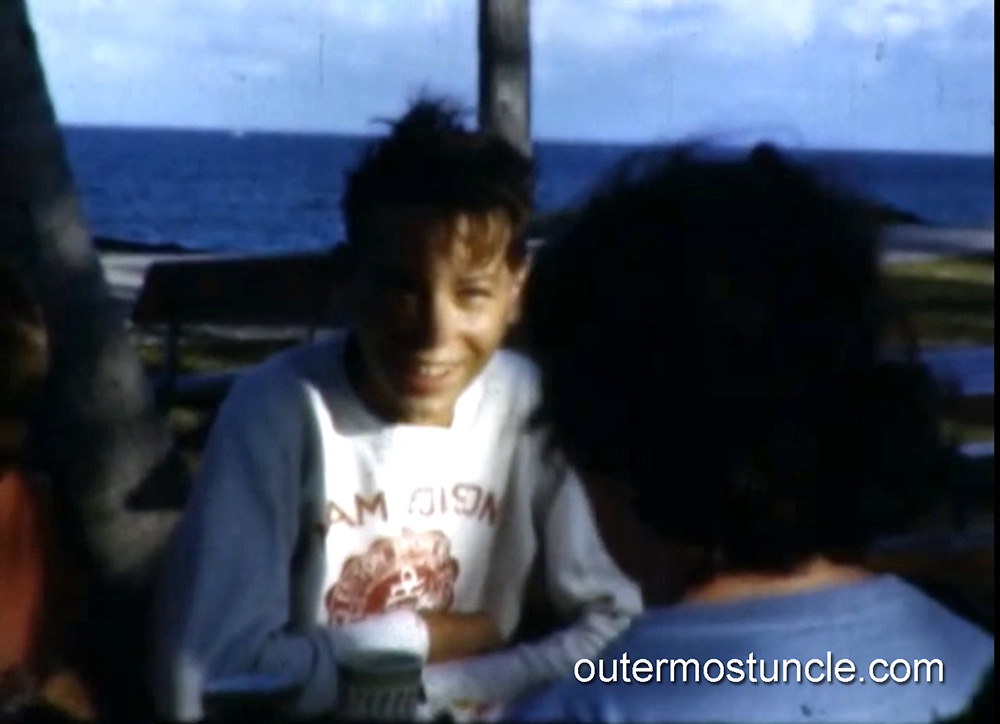
Don, in these films, appeared to have a menagerie of pets.
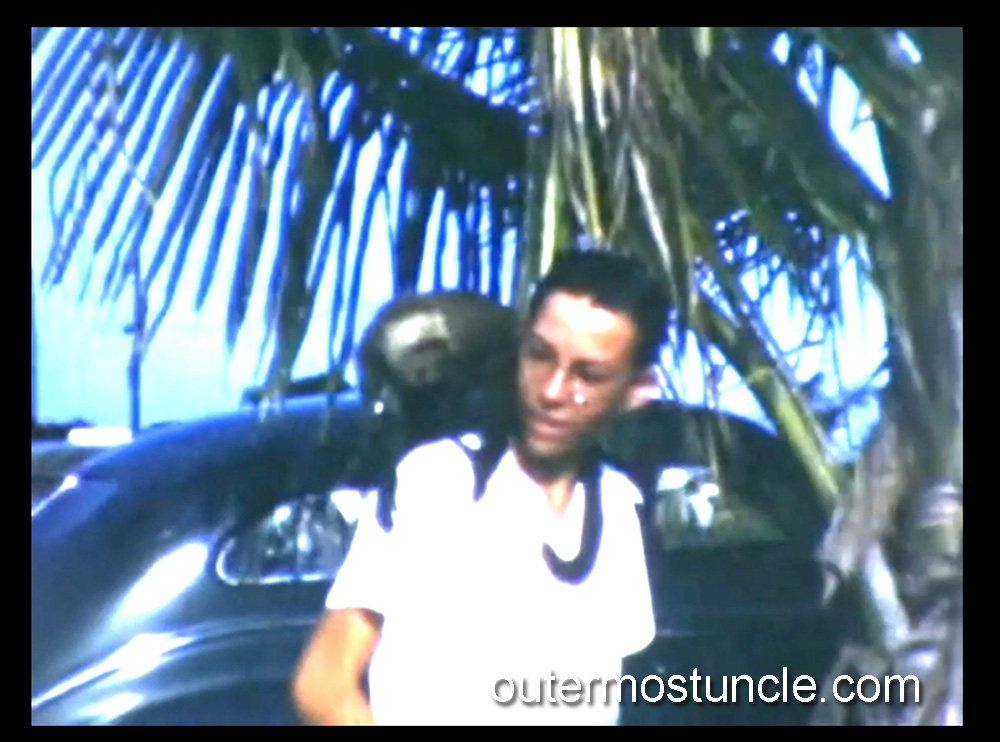
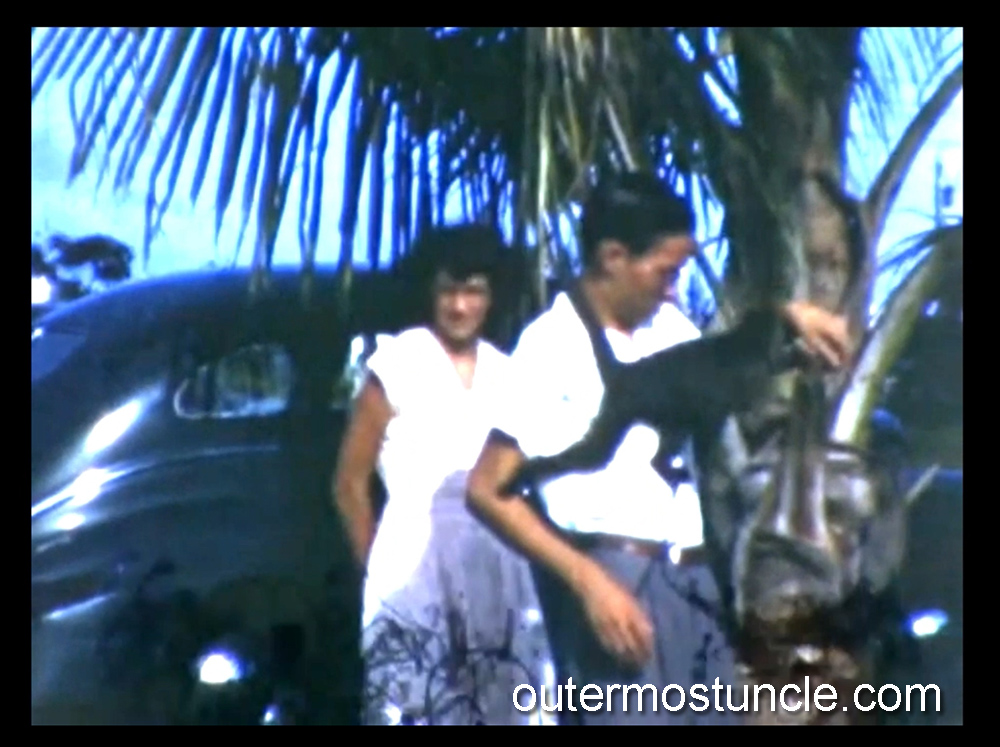
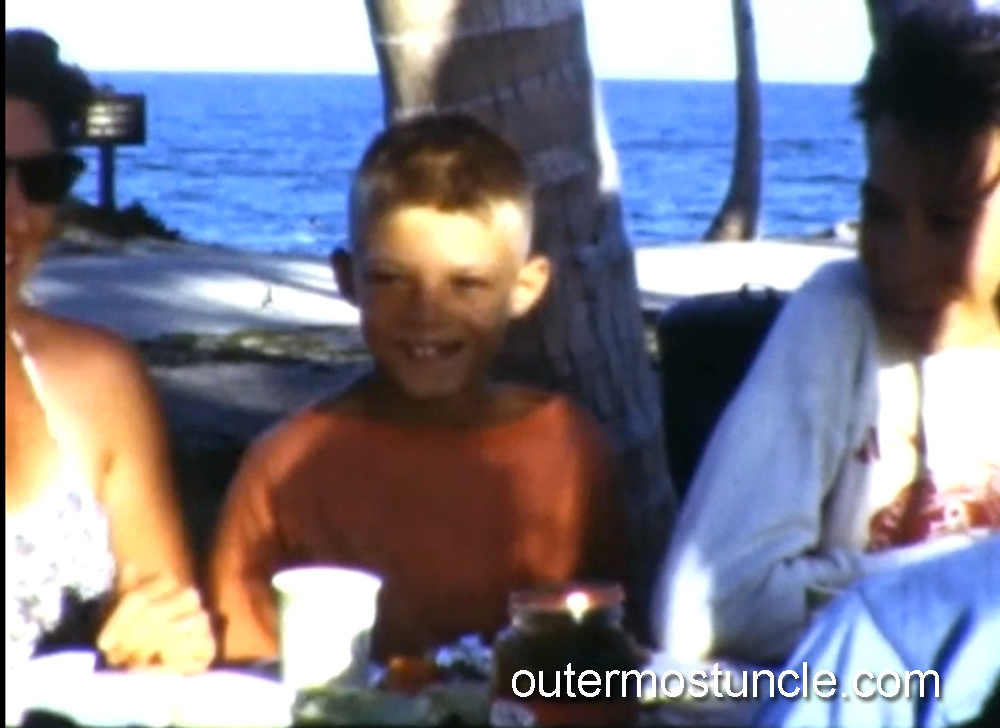


After high school, Don took some classes at the University of Miami – the details here are a little hazy, the records partial, but eventually he transferred west, enrolling at what was then called the New Mexico College of Agriculture and Mechanic Arts (a name so gloriously long and clunky it practically demands abbreviation, though even now part of me resists abbreviating it, because the full formal name carries that peculiar midcentury institutional heft, the sense of America industriously training its future engineers and pilots and agronomists).
And the thing is, Don did a lot in his short life. He graduated from high school. Then from college. He owned his own sport plane – which is no small feat, no small financial leap, especially for a young guy in the 1950s. He landed a good job with General Electric, a company that, at the time, probably felt like standing at the polished forefront of American innovation. He was a certified deep-sea diver.
And then – he died.
All of this by the age of twenty-three.
I’m sixty-four. I haven’t done but maybe a couple of those things. If that. And yet: there’s something about the blunt force of Don’s short, crowded timeline that makes me pause, that makes me sit here, potato-eyed at the computer, feeling the gap between his years and mine stretch out like a long, silent chasm.
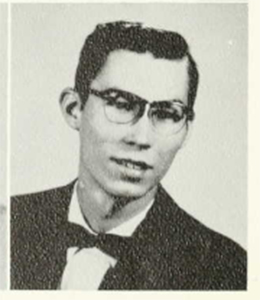
Don graduated from college and went to work for General Electric. He eventually took up with my uncle. They both became what some referred to at the time as “fishmen”. [Oh! The British say “frogmen”! Isn’t that awesome?] Deep sea divers. What we now know as SCUBA divers. They both worked on San Salvador Island and Mayaguana in the Bahamas.
After his disappearance, Don’s parents were flown down to San Salvador Island. General Electric, Don’s employer, footed the bill. According to Nat Walker and Snake Eyes (who attended the memorial), the family took the Pan Am boat out to the coral shelf where the divers had been lost, and dropped a wreath into the water. There was a concrete memorial for Don near the shore.* That memorial lasted for many years, but was eventually removed when Club Med rebuilt the grounds.
Don got a wreath and a concrete memorial. Bill? Not even a footnote.
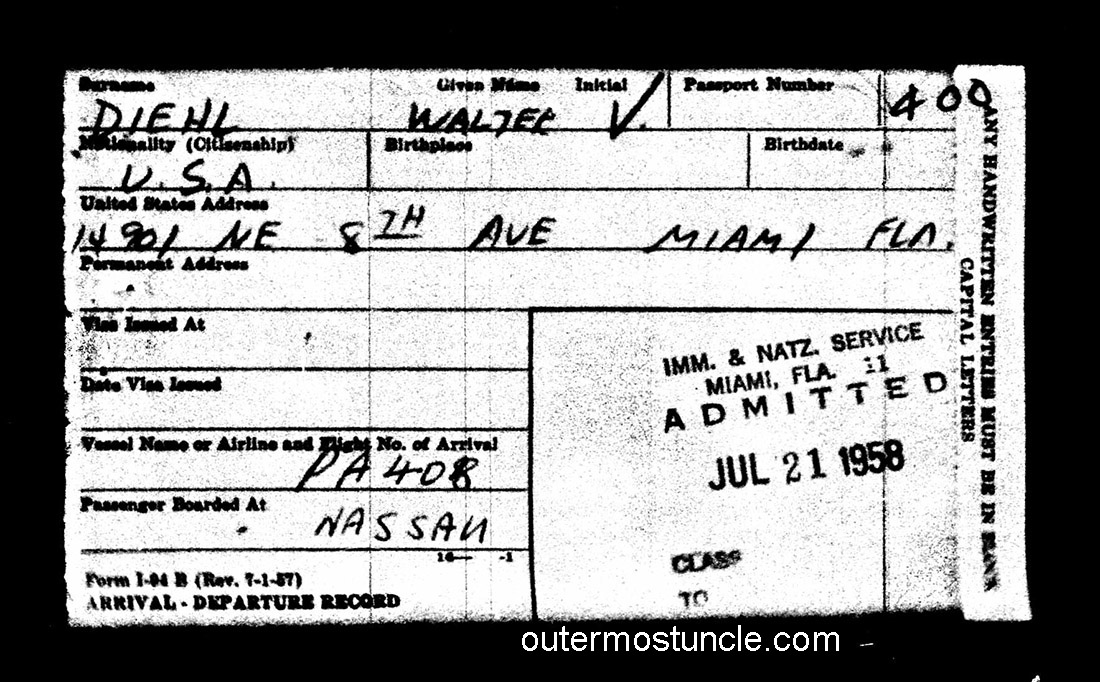
Don’s parents arrived home from the memorial on July 21st of 1958. After that, something weird happened.
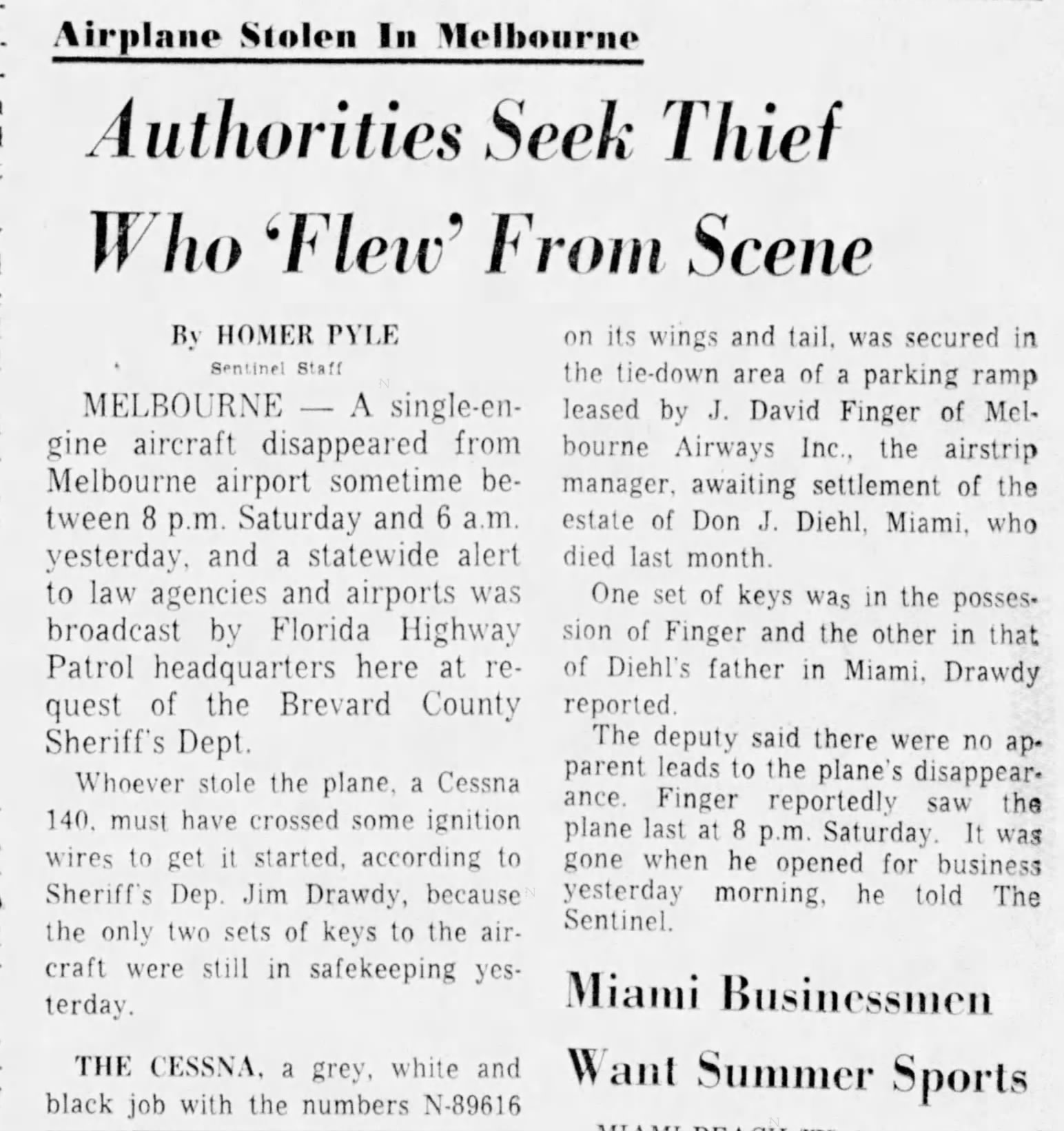
Someone stole Don’s plane. It was sitting in a hangar at the Melbourne Airport. The keys were hanging on the wall, but the thief hotwired it.
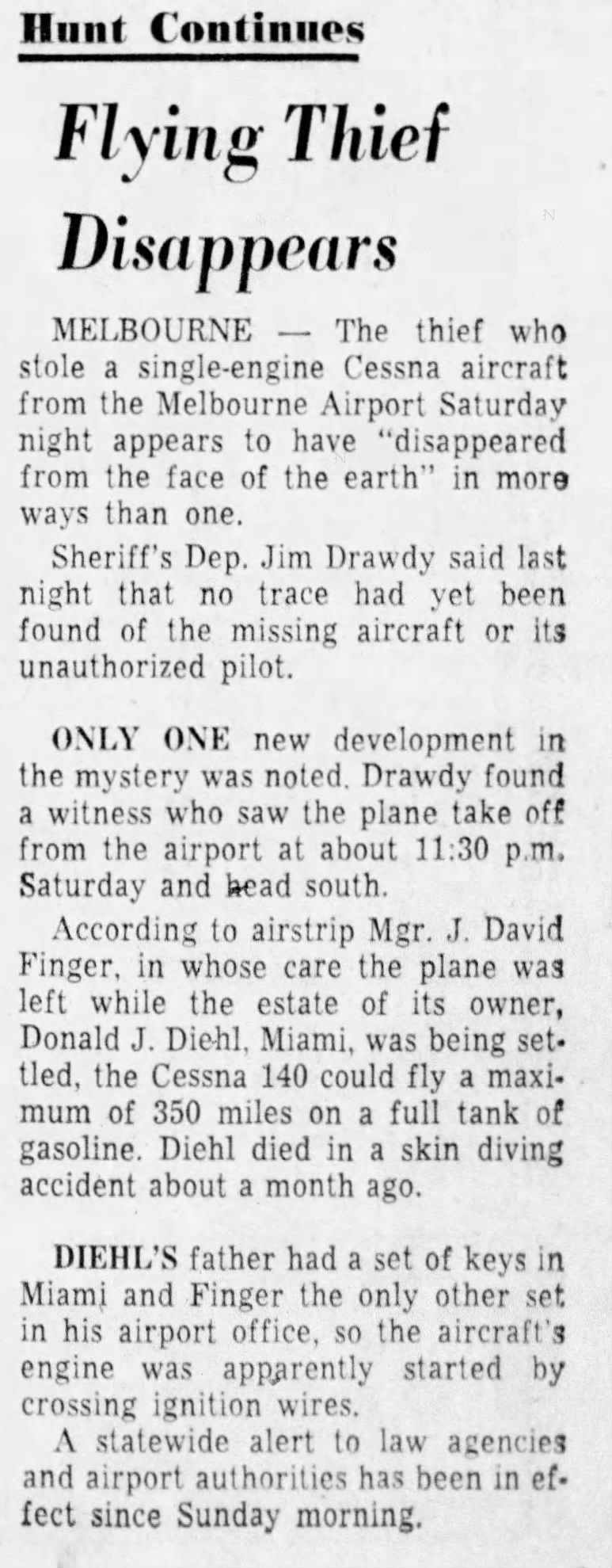
The aircraft was valued at $3,000.00. It was held in the hangar in Melbourne while Don’s estate was being settled. $3,000 in 1958 money has the spending power of $32,651.21 today.
When I shared my finds with her, my cousin, Kate, then found this:
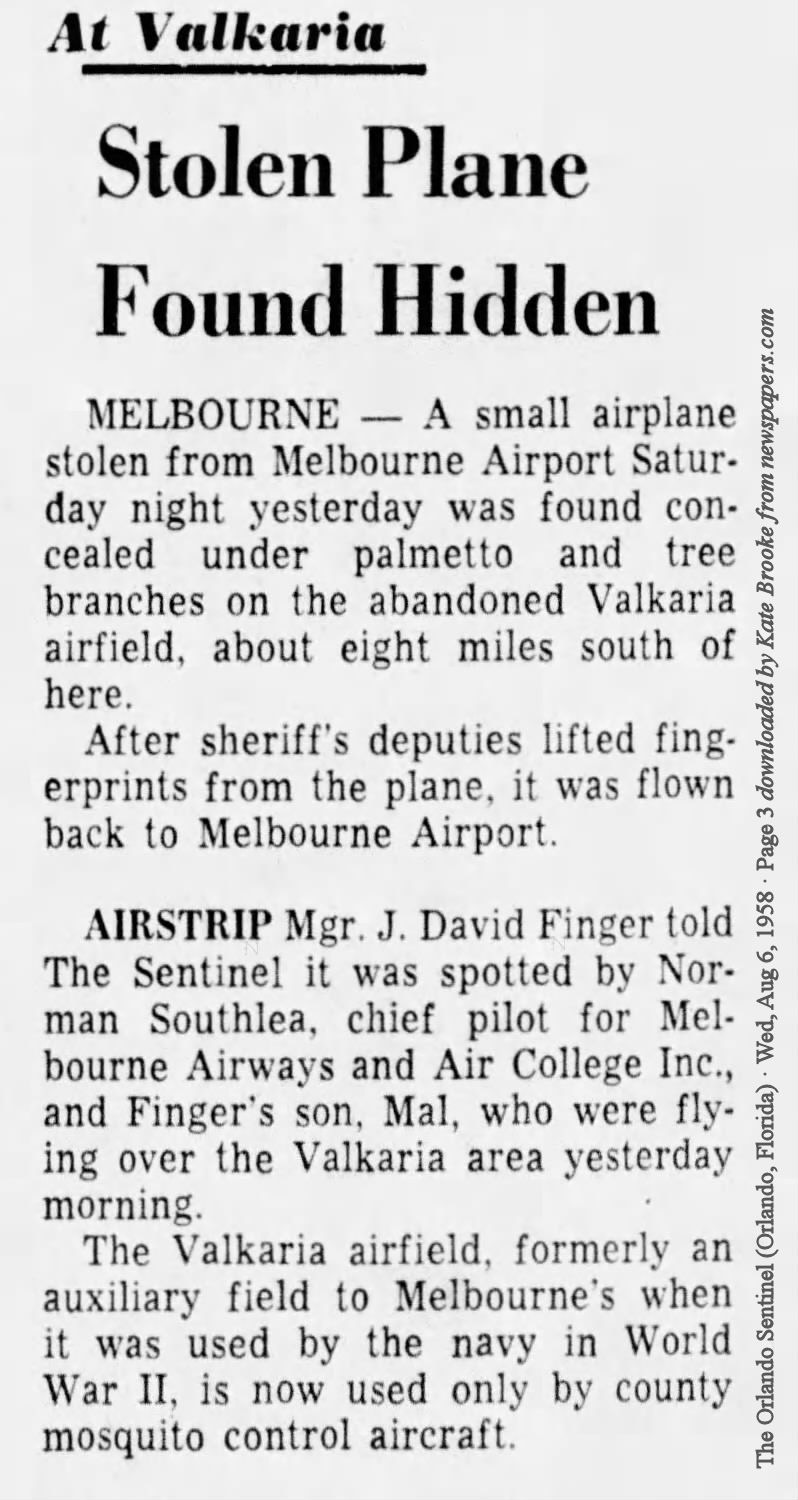
Did someone know Don was dead and that the plane was tied up in the estate settlement? Did they not notice the keys just hanging there, or – the more troubling possibility – did they notice but deliberately hotwire it anyway, trying to make it look like they hadn’t? Was the whole thing just a joy ride? If so, why try to conceal the plane afterward? Were they planning to use it again later? For what? Smuggling? Running something or someone across state lines? Was the plane, in fact, even actually hotwired, or was that just the story people told later, after the fact, to patch over a more banal or more complicated truth?
The questions pile up, looping back on themselves, one after another, until what you’re left holding isn’t so much an answer as a gnawing, persistent whisper. The kind of small mystery that doesn’t resolve but instead simply embeds itself deeper into the long thread of the story.
I wonder what happened with those fingerprints that were “lifted” from the stolen plane?
* My return to San Salvador Island [San Sal 2.0] had me attempting to track down this memorial. Someone had seen it – in a decrepit state- not too long ago. Kim, from the little shop across from the airport, “Simply Bahamian” led me along the rocky shoreline. We inspected every rock. Nothing remains. I did find this:

Donald disappeared that day in 1958. His life may have ended. But, you know what? His plane lived on. And I found it.
Stay tuned ….
 Outermost Uncle
Please ask questions and leave a comment. (Some folks are unable to comment – I think it’s a Wordpress thing and I’m really steamed about it.) You can also email me.