
Exploring the captivating journey of a mysterious polyp-of-the-deep.
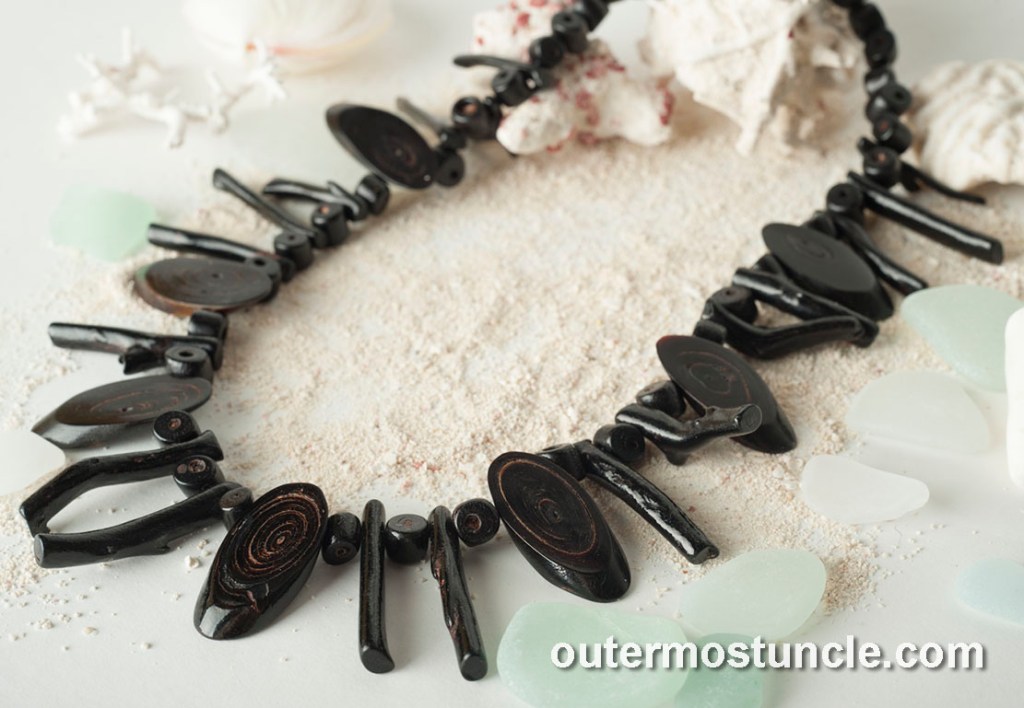
Here’s a tip – one you might thank me for later. You can thrift shop 24/7 at Goodwill’s online store. It’s a treasure trove. That’s where I found something unexpected: vintage black coral. For whatever reason, my desire to own another piece of black coral became a need. Rather than purchase black coral brand new and freshly harvested, I decided to give some vintage coral a new home. I found a wonderful and, like I said, vintage necklace at the online Goodwill store. It needed restringing. Now it’s better than new.
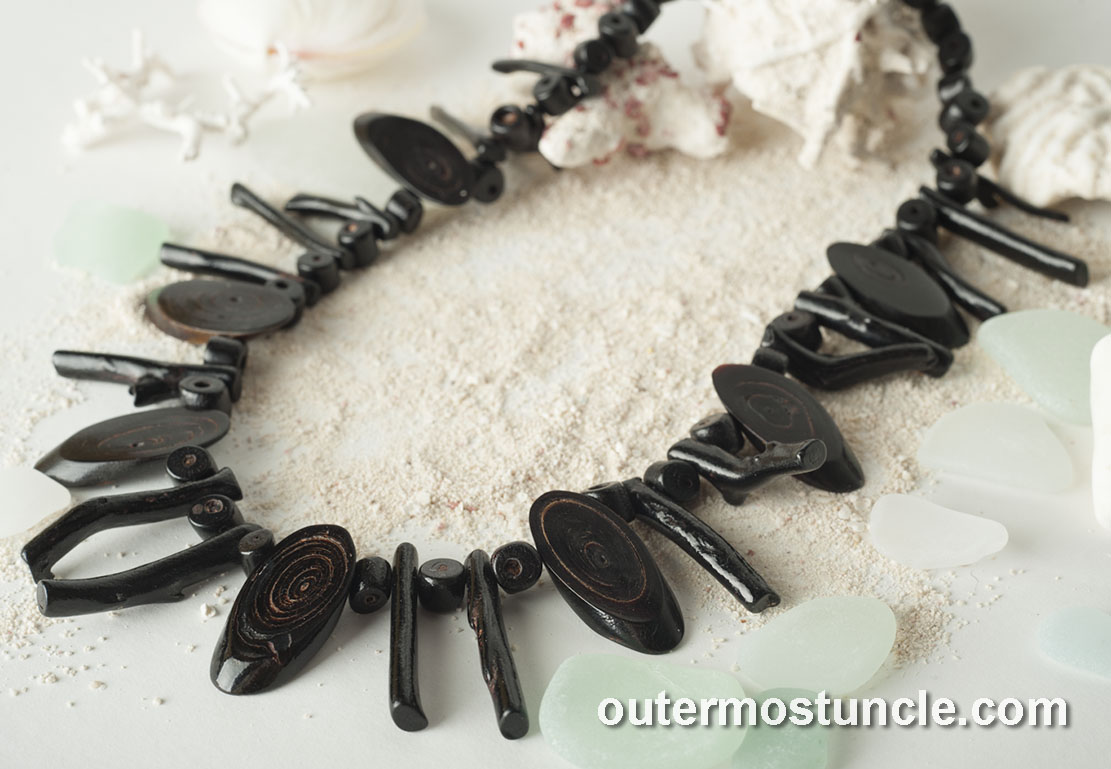
I don’t know what my uncle’s relationship was with black coral – or if he even had one. I don’t know much about my uncle’s relationships with other-than-sea-creatures either. I can only speculate.
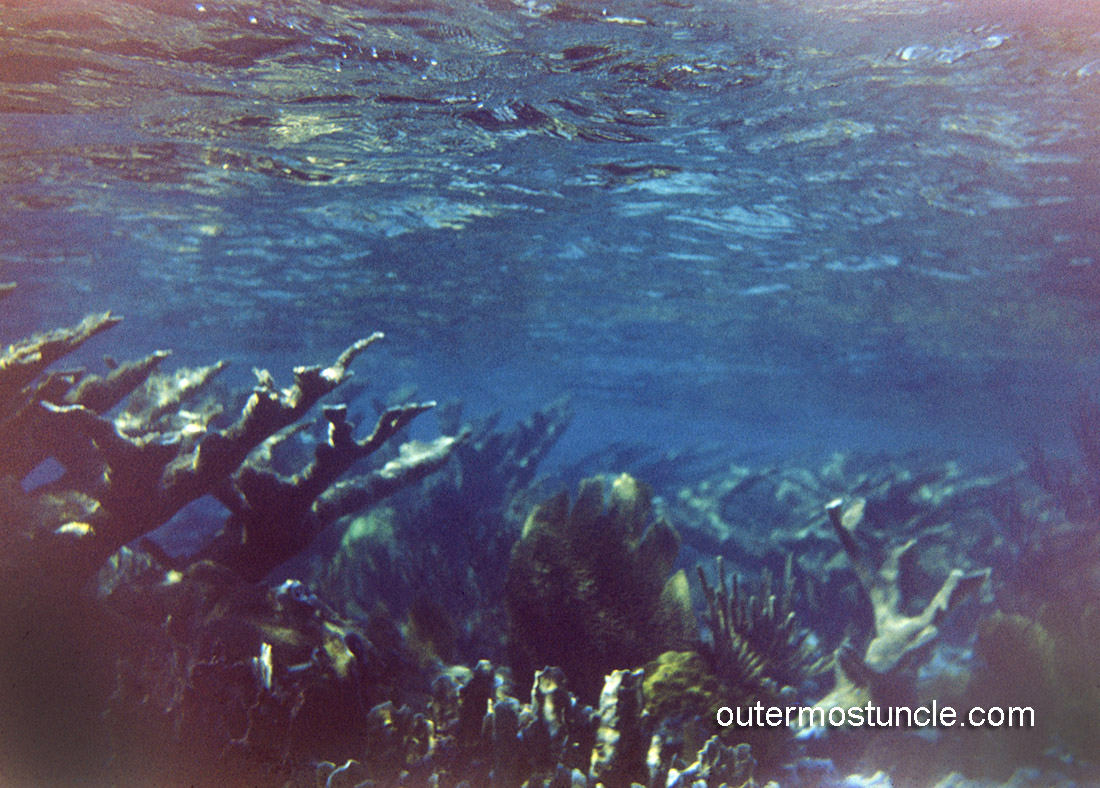
Corals are composed of polyps, each having a ring of tractable tentacles surrounding a mouth. Similar to trees, coral form growth rings which can be used to determine their age. Black corals are among the longest lived creatures on earth.

My photo. February, 2024, San Salvador Island, Bahamas.
My suspicion that Bill was diving for black coral and selling it on the black [coral] market inspired me to do some research regarding black coral and coral in general.
The book CORAL LIVES (Michelle Curry Navakas, 2023 Princeton University Press) led me down a path to understanding coral’s symbolism. “One of the most popular political analogies that coral inspired during the 19th century involved the comparison of human society to a coral reef. The analogy usually suggested the power of collective labor for common good.” The book focuses on the similarities between slave labor and the work coral polyps perform.
LIFE ON THE ROCKS (Juli Berwald, Penguin Random House 2023) reflects on the status of corals today and the ways researchers are attempting to preserve coral reefs.
In the middle of the last century, coral populations began to become noticeably depleted. This is mostly due to climate change, pollution, rising sea temperatures and illegal fishing practices. “Blast fishing” is when a bomb is dropped on a coral reef. It is an effective way to kill fish fast. Though blast fishing is now illegal, the effects of previous bombing on coral reefs have been felt for decades.
In the 1950s, much of the black coral trade flowed through Nassau, a hub for jewelers catering to tourists eager for exotic souvenirs. Havana, before the Cuban Revolution, was another hot spot, with its luxury boutiques and bustling docks. Even Key West, with its close ties to the sea, had jewelers who might have turned a blind eye to where the coral came from.
Bill had been selling fish to the kitchen—why not coral to the jewelers? Black coral jewelry was in high demand, especially in Nassau, where tourists would pay a premium for a polished piece of the deep. The trade wasn’t illegal, but sourcing the coral? That was another story.
If Bill was harvesting black coral himself, he might not have been the only one. Were there others—local divers, free divers, men working quietly in the shadows, collecting branches of coral in the hush of the deep? Did they sell their finds directly to jewelers, or were there middlemen, discreet buyers who paid cash and asked no questions?
My grandmother’s jewelry – the gifts from Bill … It’s almost like a message from beyond that they arrived with such timing.
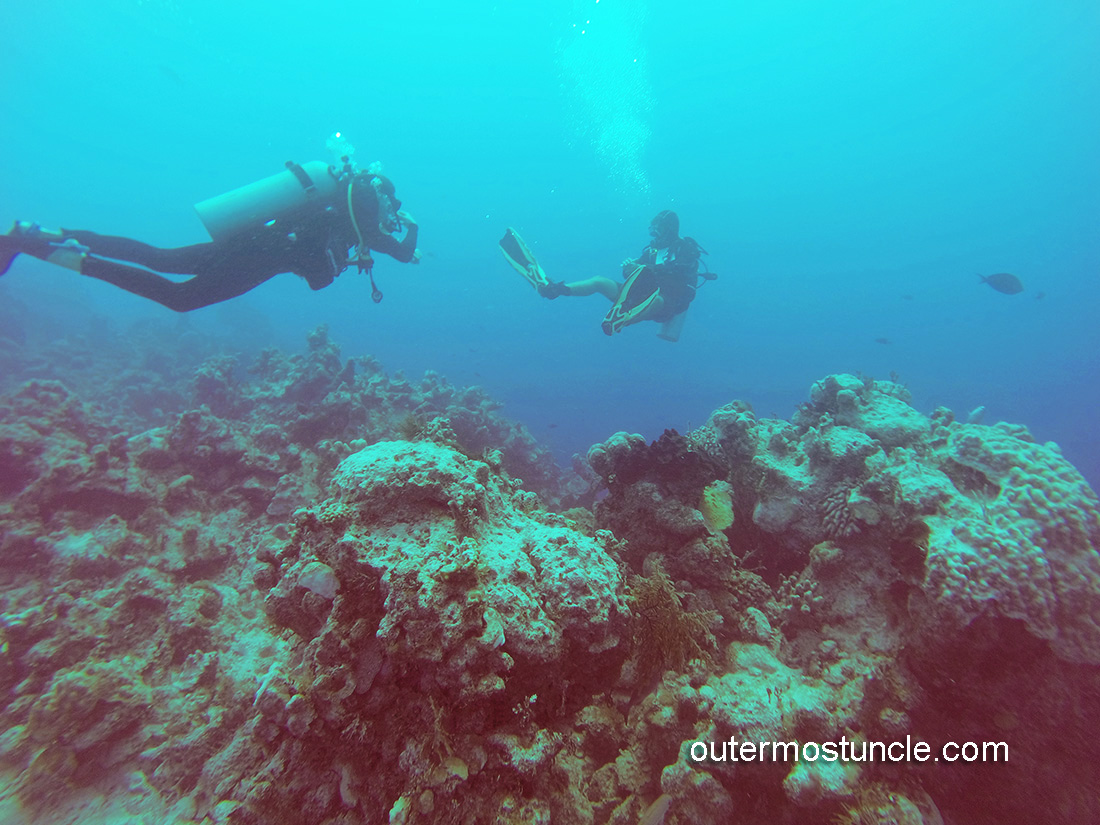
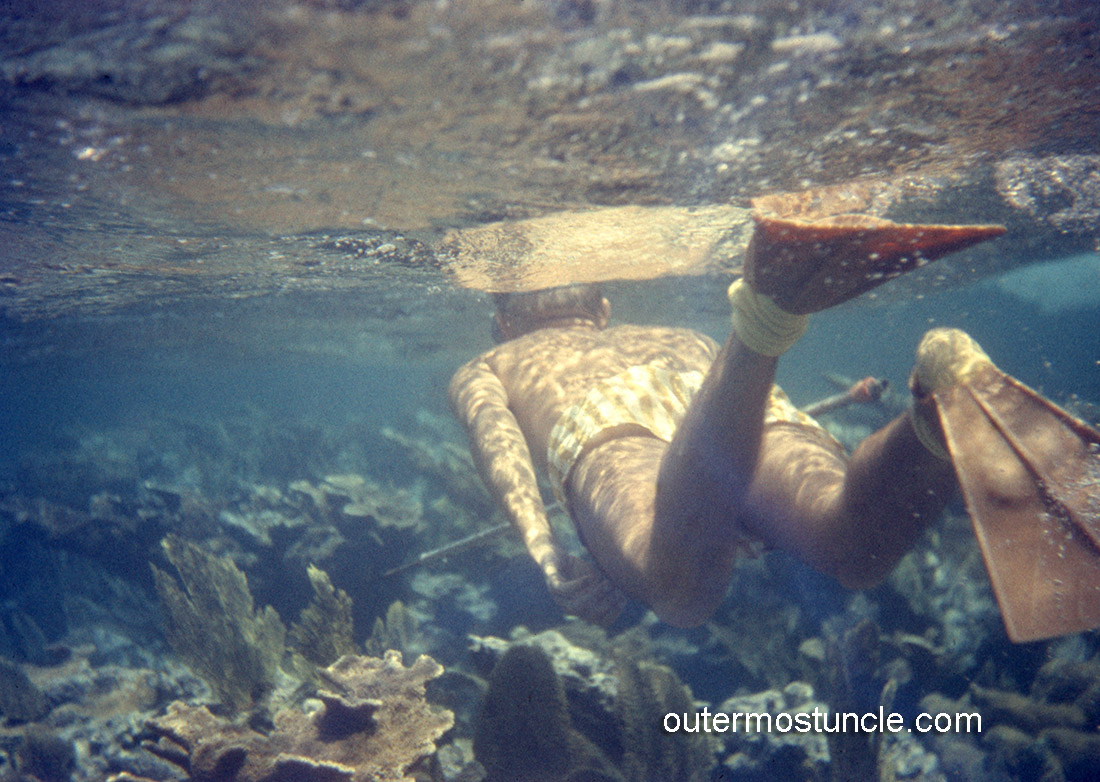
Black coral, like any valuable resource, had its risks. The deeper the dive, the higher the stakes. Did Bill take one risk too many? Was he in over his head – literally or figuratively?
Black coral was valuable, but was it valuable enough to get involved with the wrong people?
Or did the risks lie not with other men, but with the sea itself? Diving for black coral meant pushing limits—going deeper, staying under longer, trusting your body to withstand the pressure. Could the pursuit of coral have taken him too deep, too far?
When Bill disappeared, there were no clear answers. Only speculation, theories, and the vast silence of the ocean.
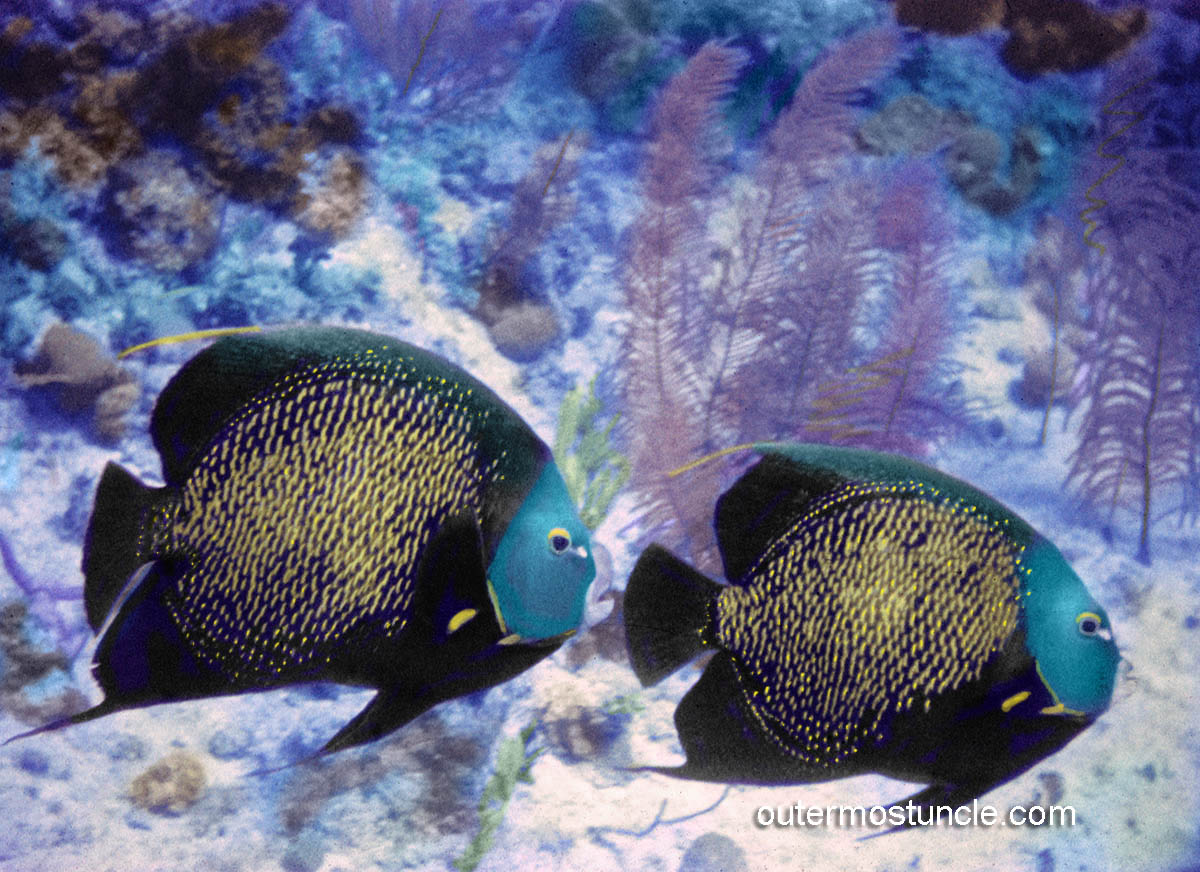
If black coral leaves growth rings like a tree, could a piece of it hold answers? A timeline of the sea. A record of change. A fragment of something lost.”
I found an article about DNA possibly being a link to coral’s resilience in surviving a bleaching event. DNA holds the key to so many mysteries—including, perhaps, those of the sea. And maybe, just maybe, to Bill’s story as well.
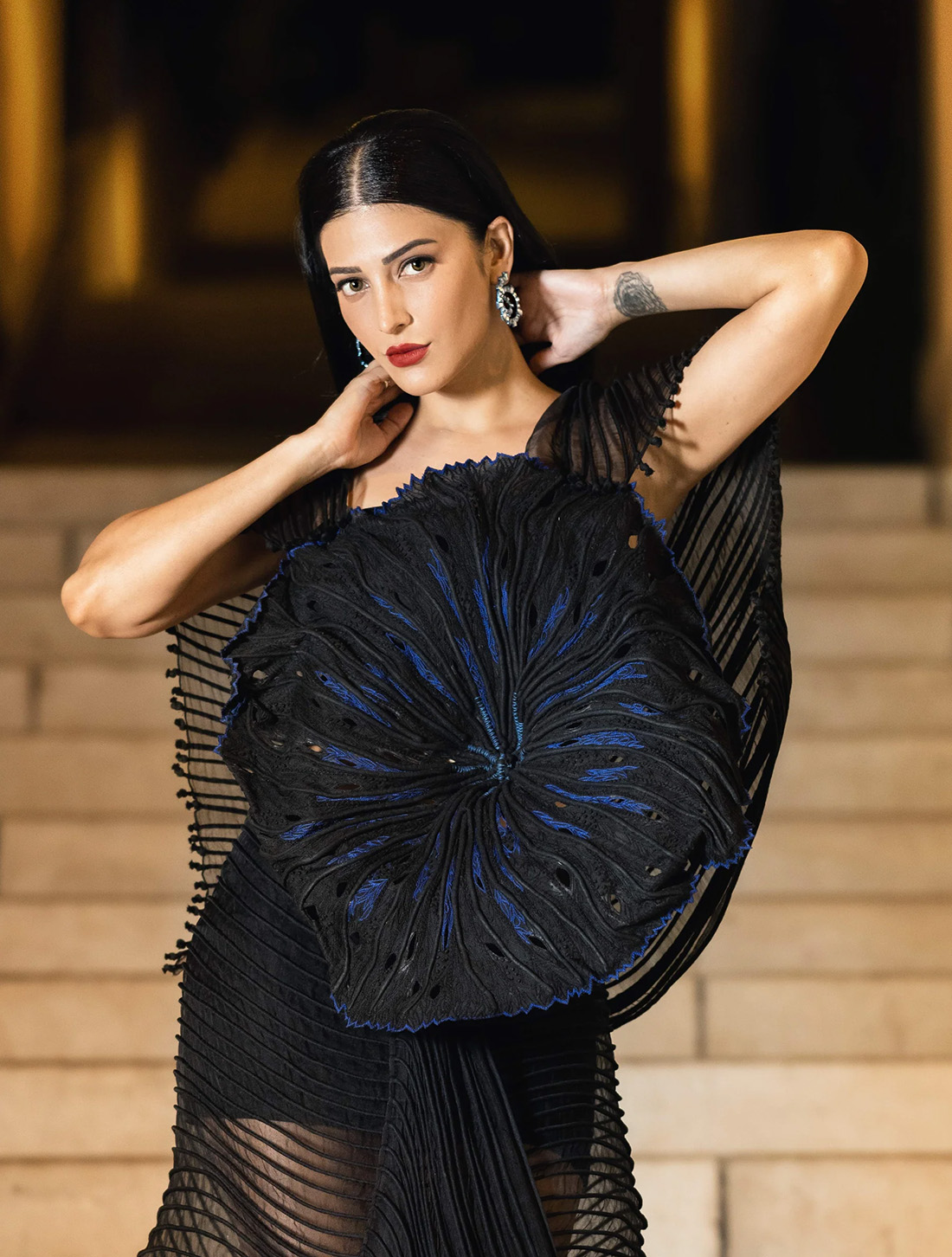
Black coral is inserting itself in fashion. Not in actual coral form, but as design inspiration.

 Outermost Uncle

Please ask questions and leave a comment. (Some folks are unable to comment – I think it’s a Wordpress thing and I’m really steamed about it.) You can also email me.